
Day Dresses vs Evening Dresses: What Actually Changes?
If you think the difference between day and evening dresses is just about time, you’re missing the point. The real shift is in purpose, structure, fabric, and styling intent. A dress isn’t just clothing—it signals context. Whether it’s for men or women, daywear and evening wear operate under completely different rules.
1. Purpose Drives Design
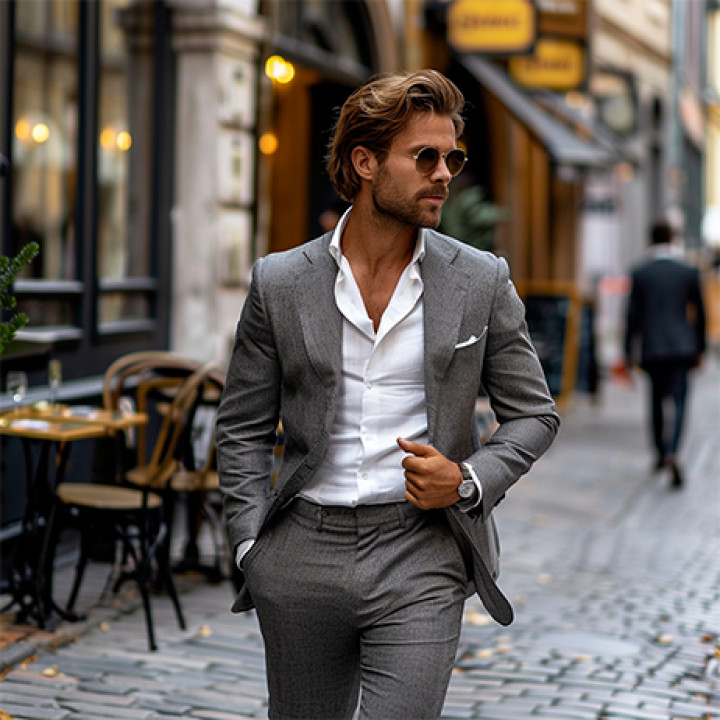
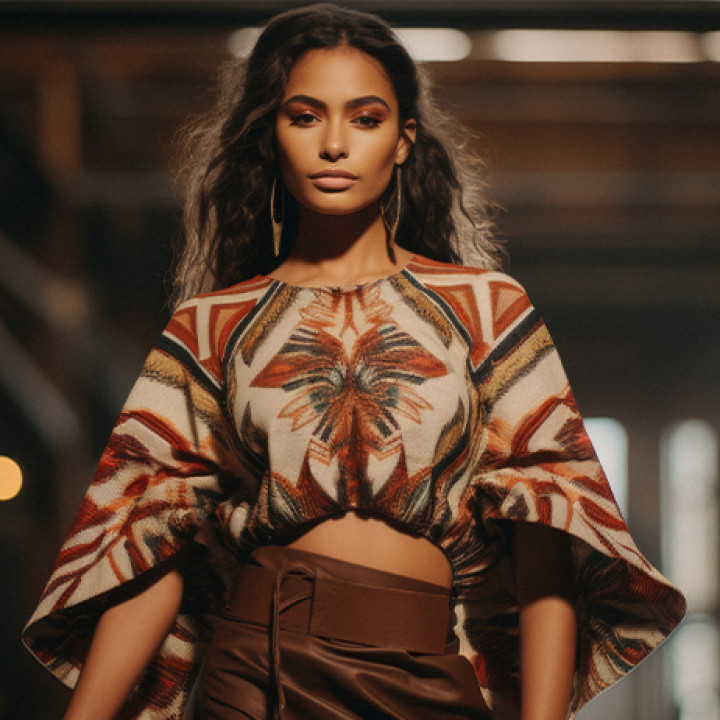
Day dresses are built for movement, comfort, and practicality. For women, that means breathable fabrics, relaxed silhouettes, and cuts that allow flexibility—shirt dresses, wrap dresses, midi cotton styles. For men, day dressing leans toward smart-casual structures—lightweight shirt-and-trouser combinations, casual blazers, breathable co-ord sets.
Evening dresses, on the other hand, are designed to command attention. Women’s evening dresses focus on sharp silhouettes, structured tailoring, deeper necklines, defined waists, or flowing maxi lengths. For men, evening dressing shifts to sharper tailoring—structured suits, fitted blazers, darker palettes, refined detailing.
Daywear blends in. Evening wear stands out. That’s the first real difference.
2. Fabric Changes Everything
Fabric is where the transition becomes obvious.
Day dresses use cotton, linen, soft blends, and lightweight knits. These materials breathe. They move easily. They handle long hours.
Evening dresses elevate the material game. For women, think satin, silk, chiffon, velvet, or embellished fabrics. Texture matters more. Shine becomes intentional. For men, evening attire often includes premium suiting fabrics, structured wool blends, or subtle sheen materials that hold shape and look refined under artificial lighting.
Day fabrics absorb light. Evening fabrics reflect it.
3. Color and Pattern Strategy
Day dresses lean toward lighter tones, florals, pastels, soft neutrals, and playful prints. The mood is open and approachable. Even darker day outfits still feel relaxed.
Evening dresses shift to depth. Black, navy, deep red, emerald, metallics—these colors dominate because they photograph well and create stronger visual impact. Patterns reduce. Solid colors take control. Men’s evening wear especially favors darker palettes for a sharper presence.
Day style says “accessible.” Evening style says “intentional.”
4. Structure and Silhouette
Day dresses prioritize comfort over drama. Cuts are forgiving. Movement is natural. You can sit, walk, travel, and work without adjusting every five minutes.
Evening dresses are more structured. Women’s evening silhouettes often define the waist, enhance posture, and add drama through length or contour. Men’s evening fits are tailored closer to the body, emphasizing sharp shoulders and clean lines.
Day outfits are designed to live in. Evening outfits are designed to be seen in.
5. Styling and Detail
Day styling stays minimal—simple footwear, lightweight accessories, functional layering. The focus is effort without looking overdone.
Evening styling is deliberate. Heels, polished shoes, statement accessories, sharper grooming, and layered details matter. For men, evening dressing might include pocket squares, refined footwear, and sharper finishing.
Detail density increases at night. Subtlety decreases.
So what actually changes between day dresses and evening dresses?
Everything that communicates context—fabric, fit, color, structure, and styling intensity. Daywear supports your schedule. Evening wear supports your presence.
If you treat them the same, you’ll either look underdressed at night or overdressed during the day. Understanding the shift isn’t about fashion trends. It’s about knowing the environment and dressing with purpose.
That’s the real difference.